Der Aufrechte Gang — Pictures
A gallery of images on the topic of human upright gait and evolution, featuring anatomical diagrams, evolutionary timelines, and skeletal illustrations.
Viewing Pictures For: Der Aufrechte Gang

Human Bipedalism Diagram
Anatomical illustration showing the skeletal structure involved in upright walking.
Source: external contributor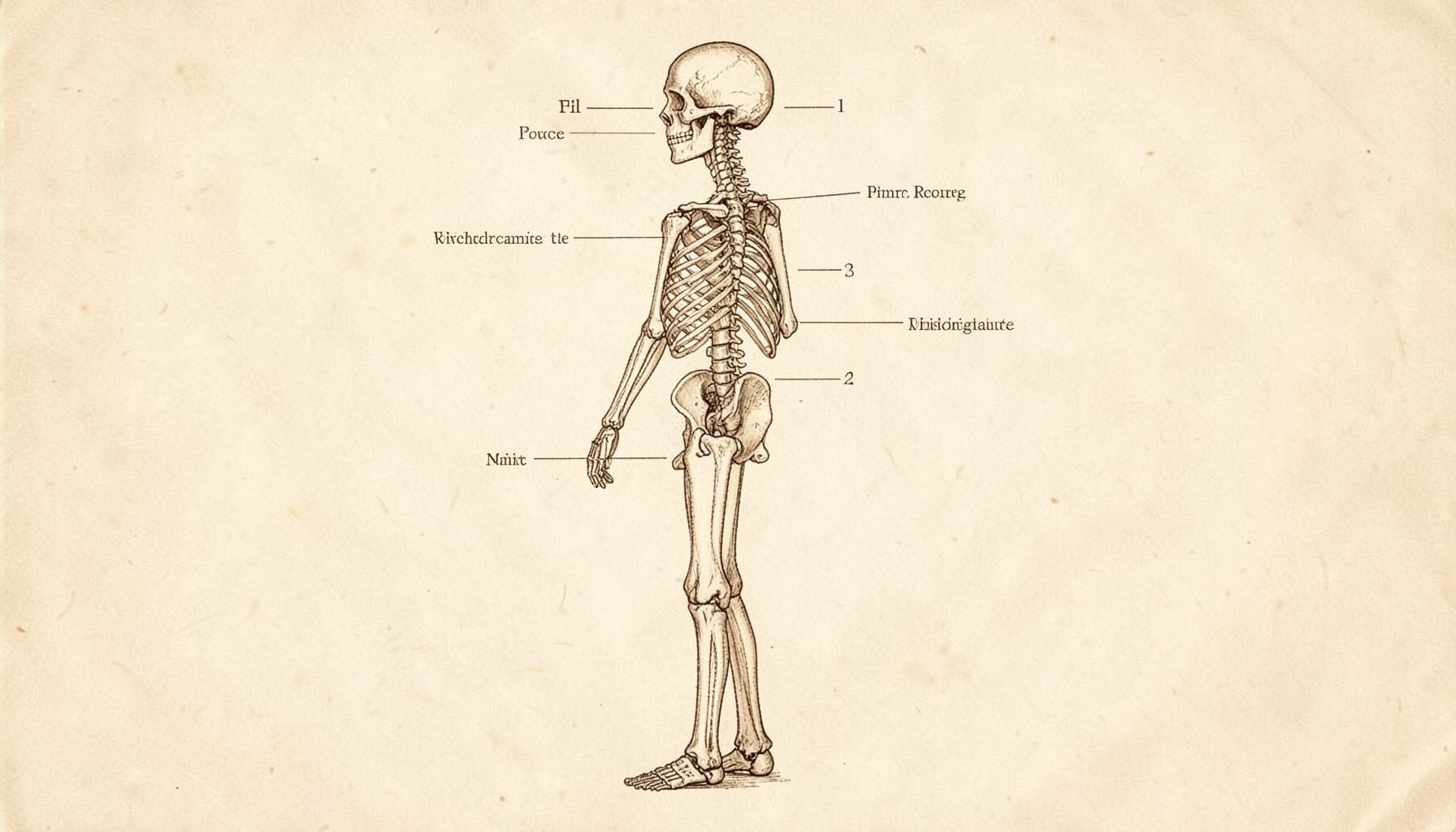
Evolutionary Timeline
Comparative illustration tracing the development of bipedalism across hominid species.
Source: external contributor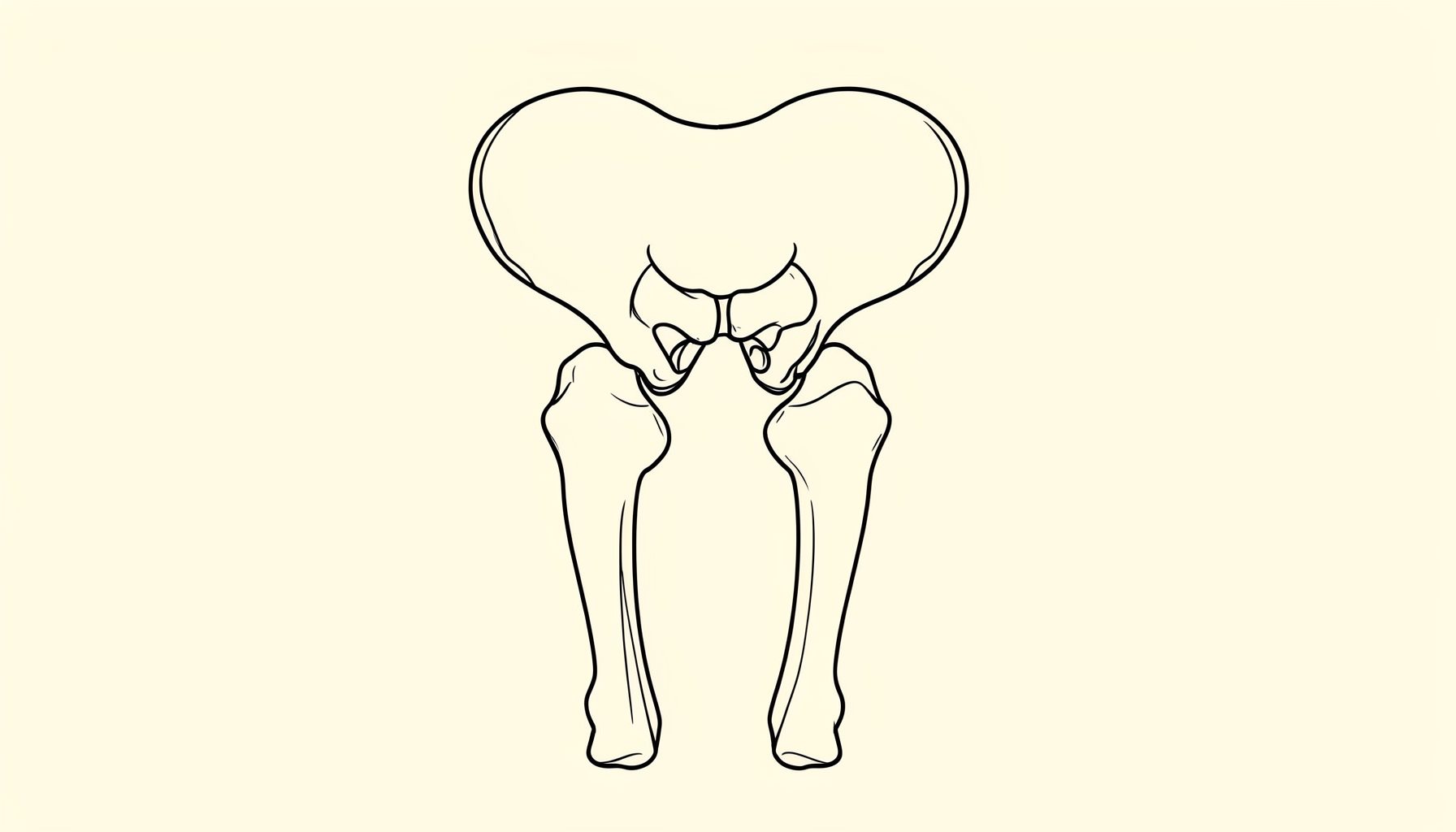
Skeletal Adaptation Study
Detailed view of pelvic and femoral adaptations that enable upright posture.
Source: external contributor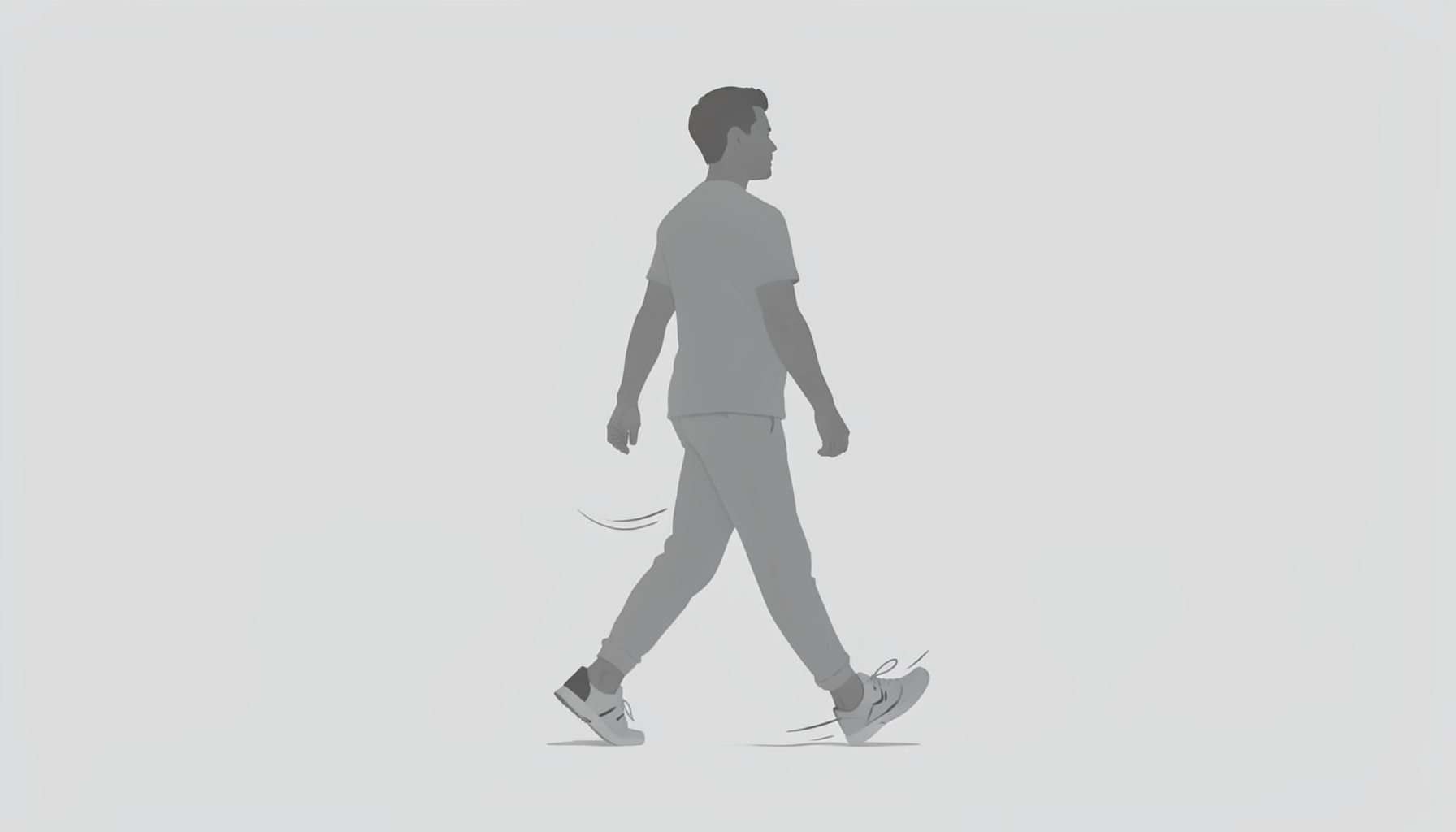
Gait Cycle Illustration
Step-by-step depiction of the human walking motion from heel strike to toe-off.
Source: external contributorTop 5 Searched Pics Today
- C Planning In Idaho Public Schools What If Schools Led (686)
- Haare Hoch (666)
- M Series Volume 1 (626)
- Rabbit Rampage (566)
- Watching Ourselves 60 Years Of Television In Scotland (486)
Top 5 Searched Pictures Last Month
- La Aventura Caballeresca (4,333)
- T Set Duty Free Stores Nz (4,269)
- B06d093309504 (4,141)
- Jack Oclubs (3,949)
- Rachel Rachel (3,693)
Our partners:
The study of human upright gait connects deeply to the broader story of how we came to be who we are. From the earliest hominid ancestors who first stood on two feet to the complex biomechanics of the modern skeleton, bipedalism represents a defining chapter in our evolutionary journey. Anatomical illustrations and comparative timelines help bring this narrative to life, showing how subtle shifts in pelvic structure, spinal curvature, and lower-limb alignment transformed the way our species moved through the world and freed our hands for toolmaking, carrying, and creative expression.
This gallery of images invites visitors to explore the visual language of human evolution through carefully curated diagrams and skeletal studies. Each illustration captures a different angle on the same remarkable story, from the fine details of joint adaptation to the sweeping arcs of evolutionary development across millennia. Whether you are a student, an educator, or simply a curious observer, these pictures offer a compelling window into the science of movement and the deep history encoded in every step we take today.